Custom Furniture Starts with the Right Find

DON MAXWELL • April 23, 2026

 From Marketplace finds to fully custom furniture designed your way
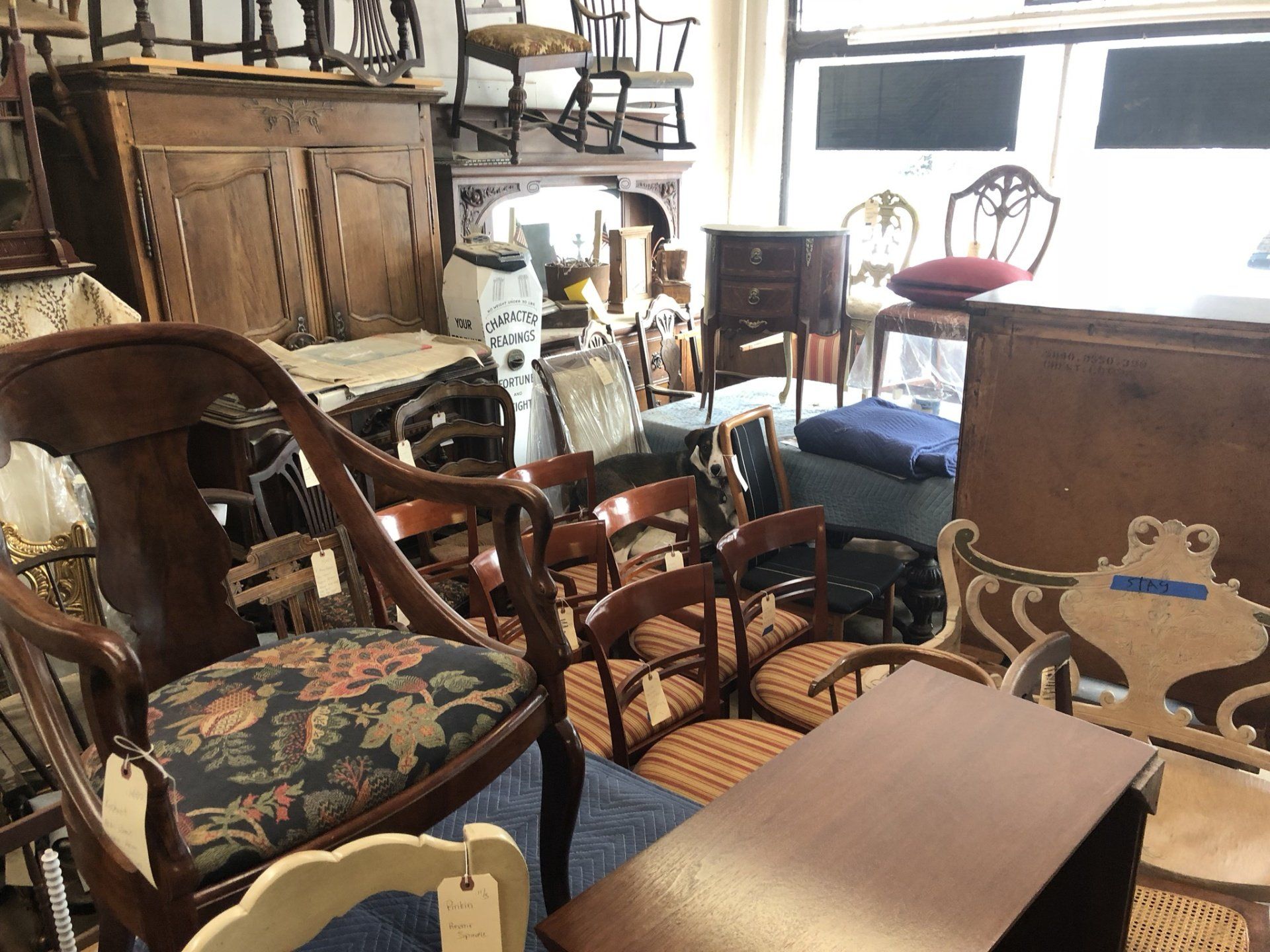
There’s something exciting about spotting a hidden gem—whether it’s on Facebook Marketplace, at a thrift store, on the side of the road, or tucked away in an antique or consignment shop. Solid wood furniture, great lines, quality craftsmanship—often overlooked, but full of potential.
 And that’s where the real opportunity begins.

A Found Piece, Multiple Possibilities

Not every piece has just one outcome. The beauty of starting with quality furniture is that it can go in completely different directions depending on style, finish, and upholstery choices.

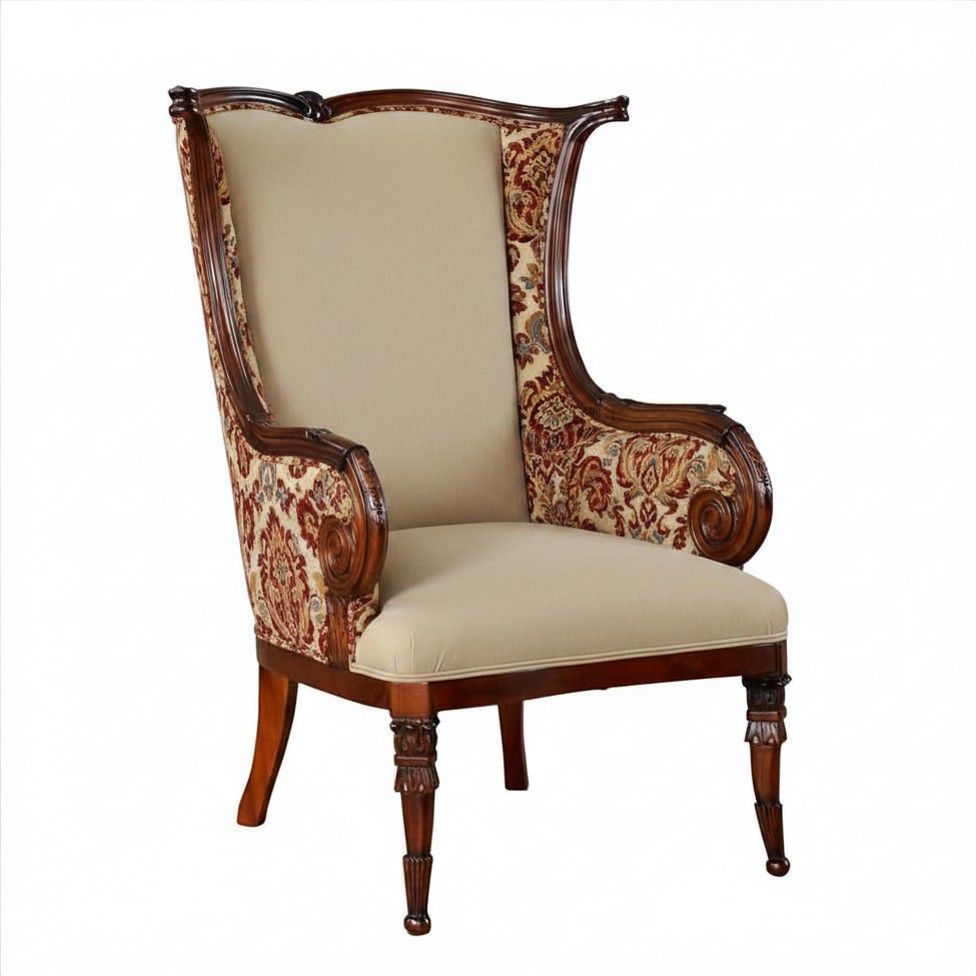
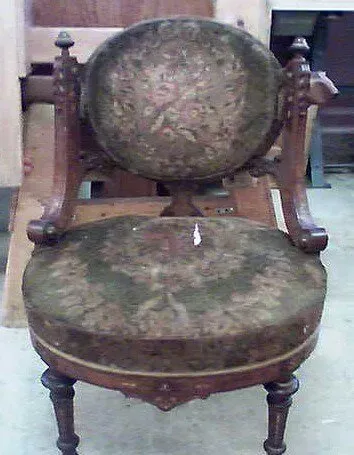
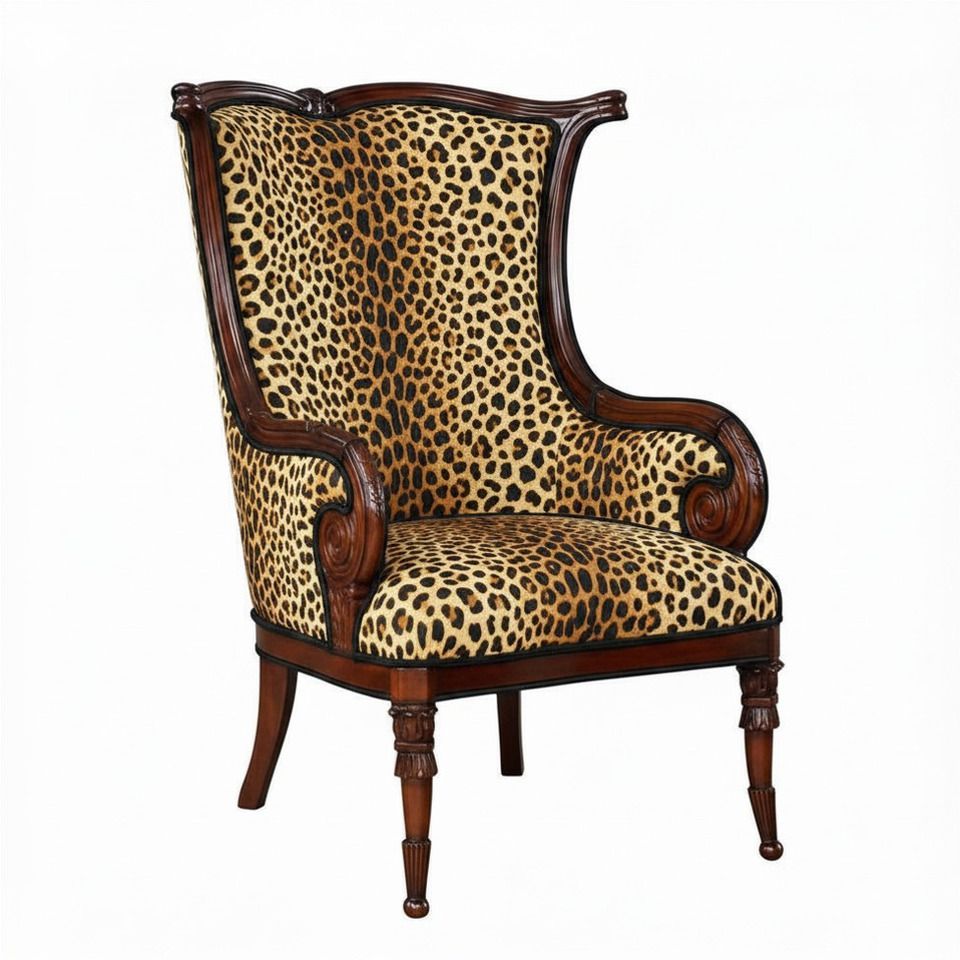
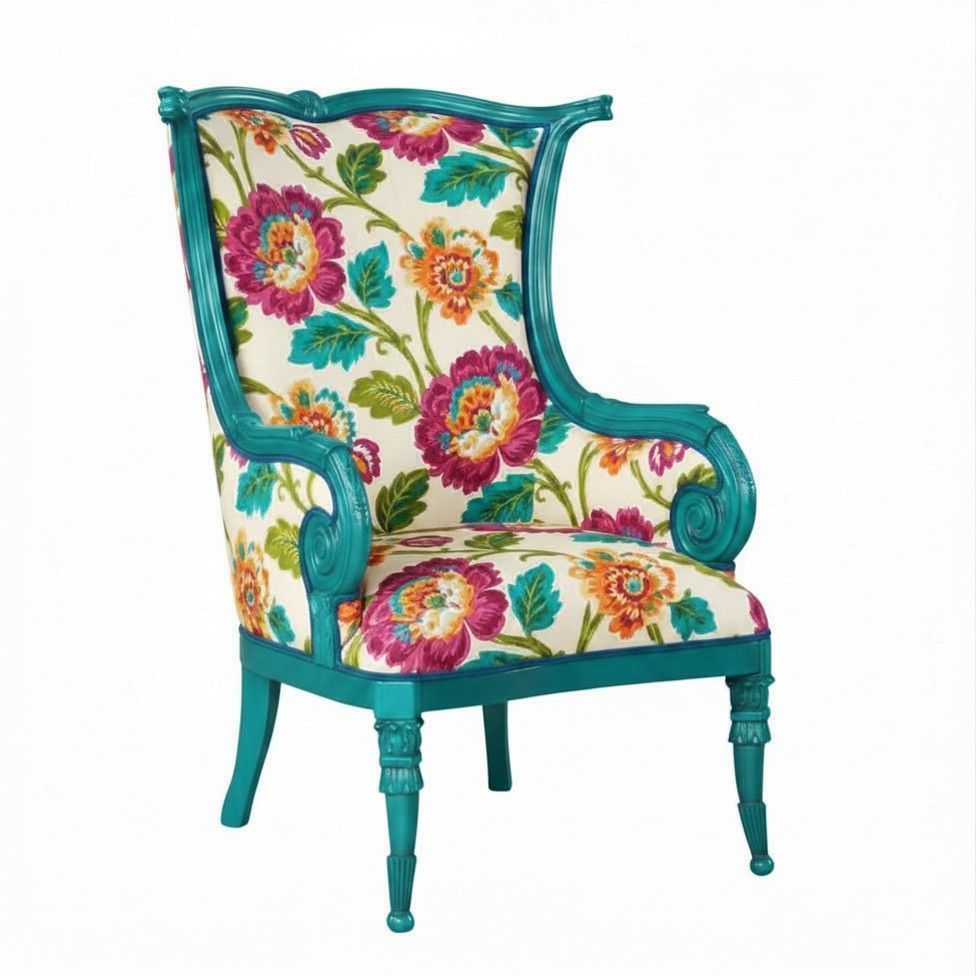
Here’s an example of a chair found in a local shop...
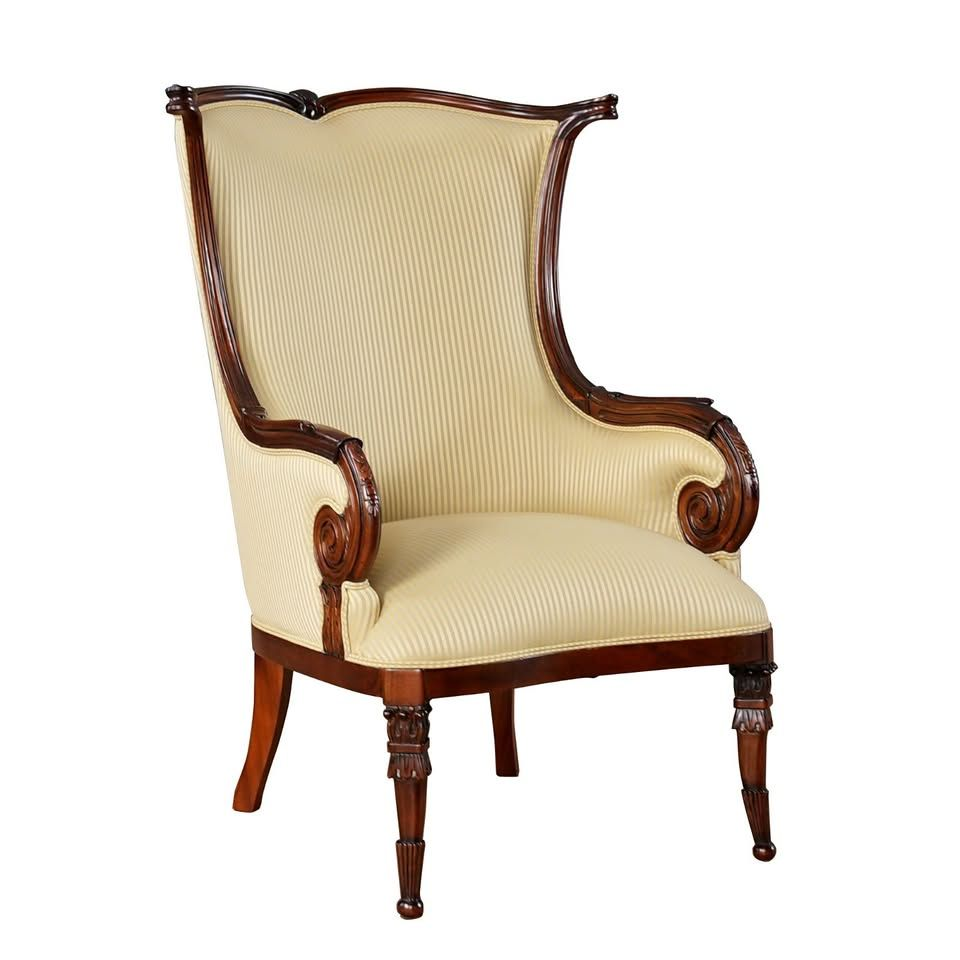
... and how it can be reimagined in different ways through refinishing and upholstery:
  • Slide title

    Natural wood tones paired with bold animal print and contrast welt for a striking, custom finish.

    Button
  • Slide title

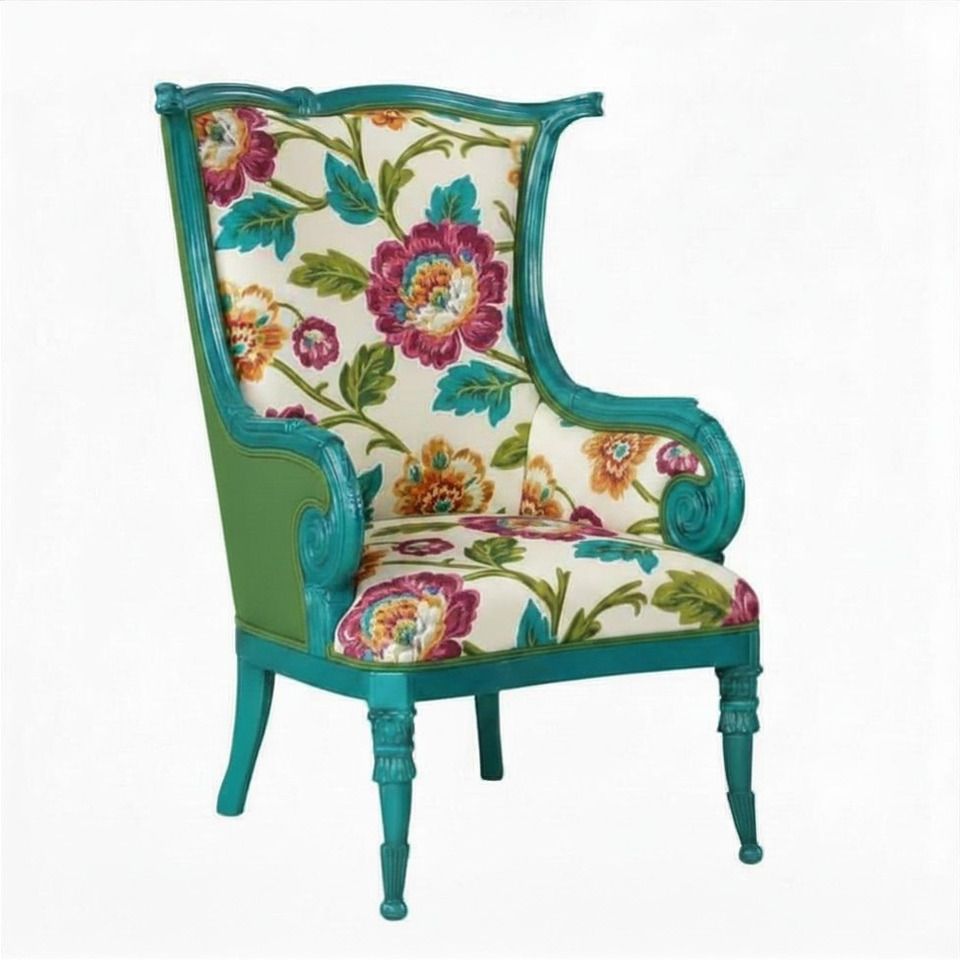
    Bright lacquer finish paired with bold floral upholstery and a complementary solid welt for a vibrant, custom look.

    Button
  • Slide title

    Two fabrics, one custom design—floral upholstery paired with a solid outside back, finished with complementary details for a more personalized look.

    Button
  • Slide title

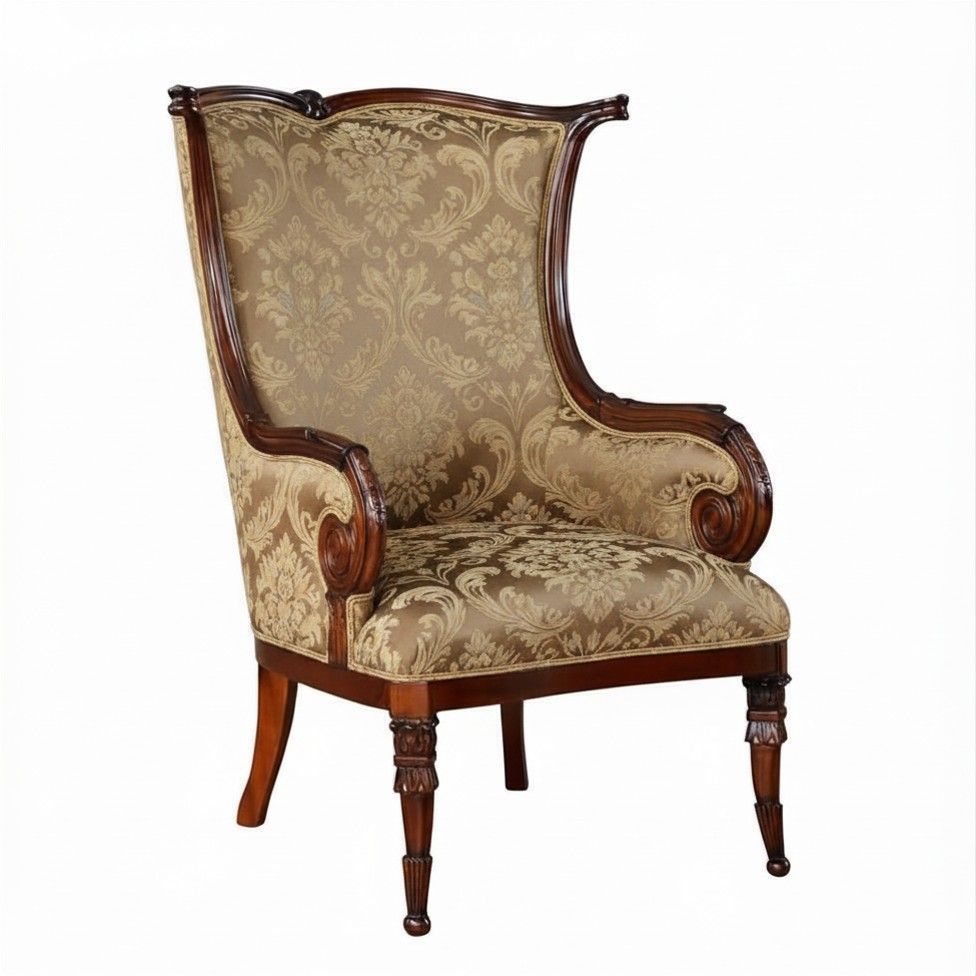
    Natural wood tones paired with a formal, neutral jacquard for a timeless, classic finish.

    Button
  • Slide title

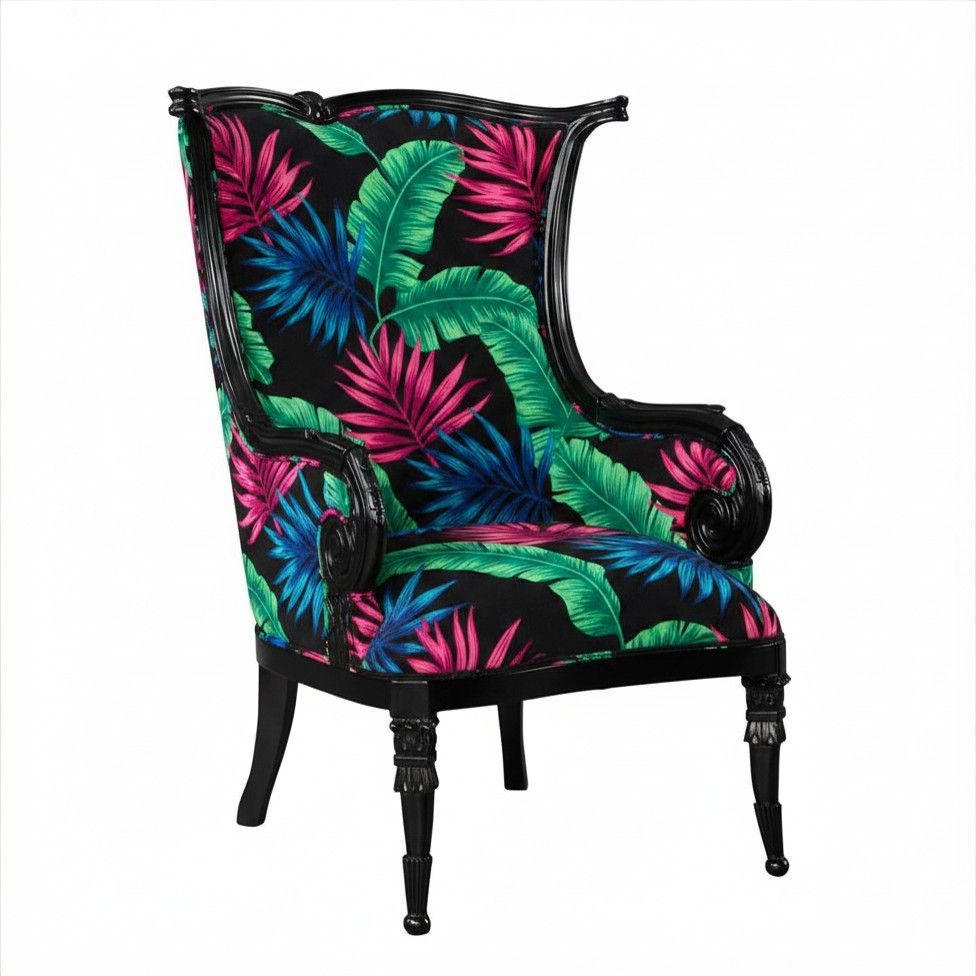
    Black lacquer finish paired with a bold tropical leaf print on a black background for a striking custom look

    Button
  • Slide title

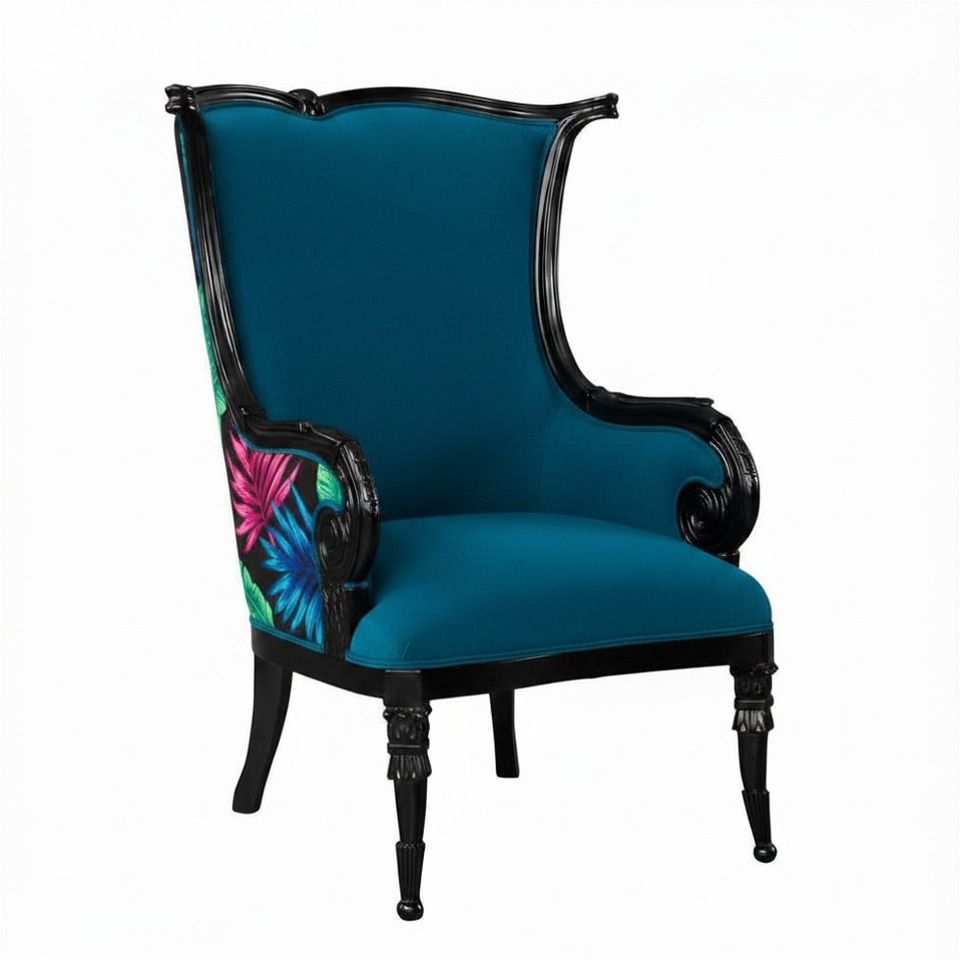
    Black lacquer finish paired with a bold tropical leaf print on a black background, with a contrasting blue-green interior for added depth and balance.

    Button
  • Slide title

    Natural wood tones on the frame paired with a solid neutral interior and a classic patterned outside back for a timeless, traditional look.

    Button

Each version starts with the same foundation—but the final result changes completely based on design direction. Traditional, modern, bold, or classic—there’s no single answer, only possibilities.


At our shop, we help clients take these kinds of finds and turn them into fully custom pieces through refinishing and upholstery. The result is furniture that feels completely personal—your fabric, your finish, your design choices—built on a foundation of quality that already exists.

Whether it’s a quick curbside rescue or a carefully chosen antique, the goal is the same: transform it into something intentional, functional, and one-of-a-kind.


Refinishing & Design Possibilities

Refinishing opens up even more creative freedom. You can preserve the original character of a piece with a traditional stain that highlights the natural grain, or completely change its personality with a custom paint or lacquer finish.


From timeless and understated to bold and modern, the direction is entirely yours—and often the finish alone completely transforms the feel of the piece.


Why Starting with Quality Matters

The truth is, older furniture is often built better than most new retail pieces. Hardwood frames, solid joinery, and durable construction are exactly what make these pieces worth restoring instead of replacing.

If you’re not sure what you’re looking at, here are a few key signs of quality:
• Solid wood construction (not particle board)
• A sturdy frame with no major movement—though if a piece is loose or needs repair, we can also repair
• Good overall proportions—even if the finish or fabric is outdated

A worn finish or outdated fabric isn’t a flaw—it’s potential.


We Make It Easy

If you find something you like, we make the process simple. Just send us a photo of the piece, and we can provide a general cost/pricing range based on the images and the work you’re looking to do.

Send Us Pictures

We can also help guide you on whether the piece is worth restoring and what kind of transformation is possible. Because the right piece doesn’t always come from a showroom—it just needs the right vision and craftsmanship to bring it back to life.
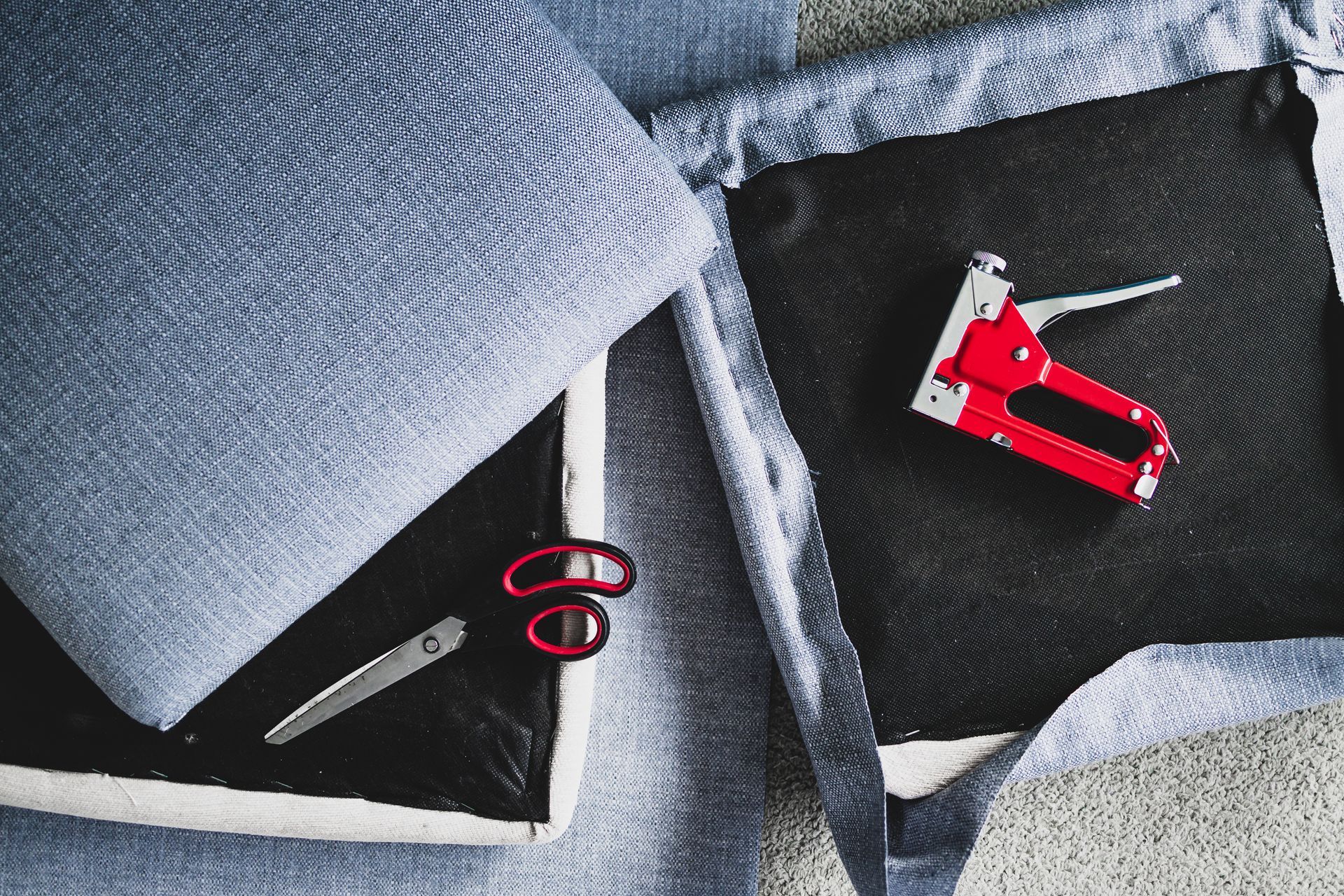
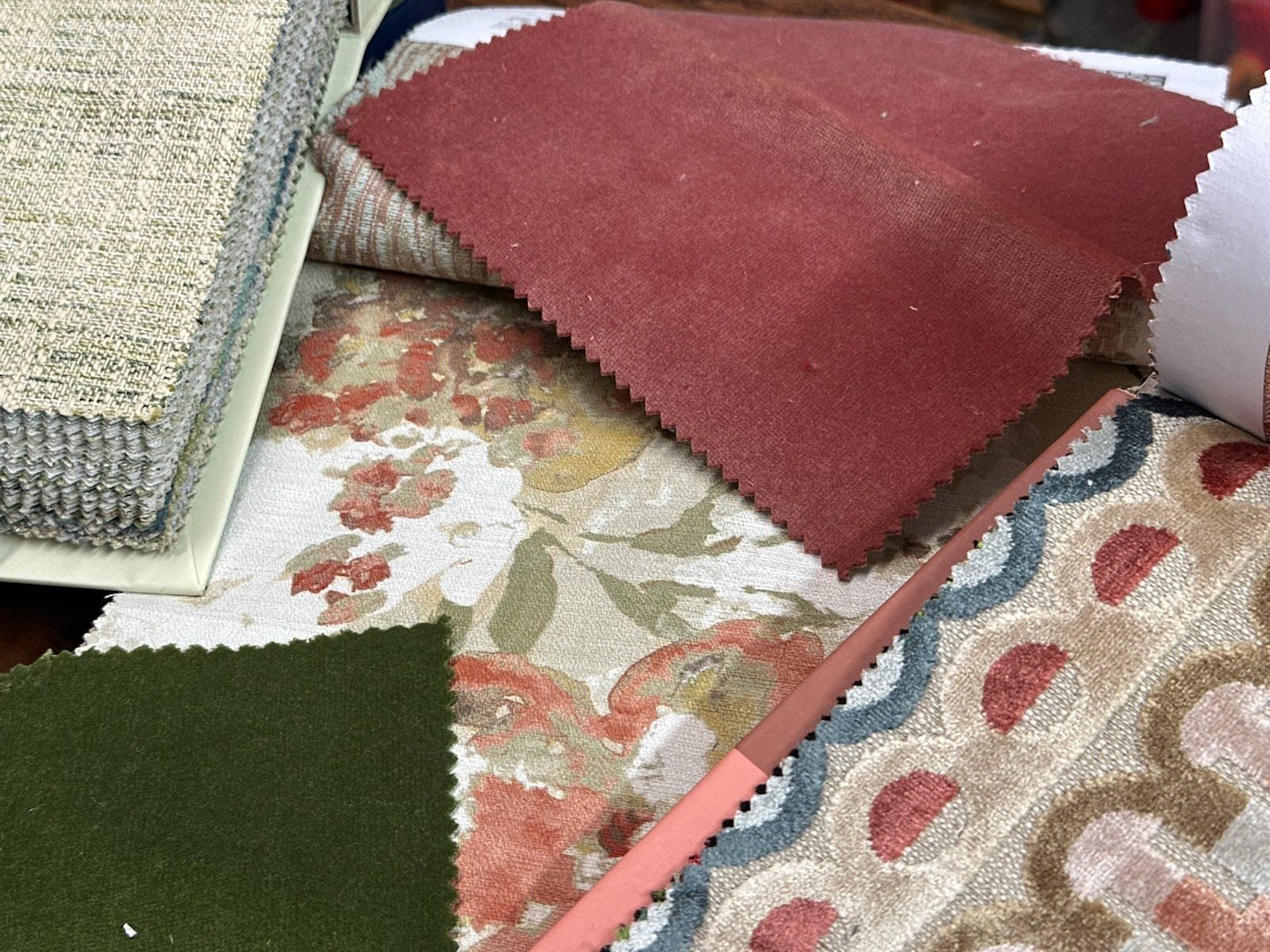
Upholstery project with fabric, scissors, and a staple gun arranged around seat cushions.
April 8, 2026
Refresh your home with custom-design upholstery by Maxwell’s Furniture Restoration in Summit, NJ. Call (908) 232-0226 or click here to learn more.
Worn antique chair with faded patterned upholstery and visible damage on the seat.
March 9, 2026
Maxwell’s Furniture Restoration offers custom-design upholstery in Summit, NJ. Elevate your furniture—call (908) 232-0226 or click here to learn more!
By DON MAXWELL September 26, 2025
Walking into the world of upholstery fabrics can feel a little like being a kid in a candy shop—so many options, it’s hard to know where to start! But here’s the good news: picking a fabric for your custom piece doesn’t have to feel stressful or overwhelming. In fact, it should be fun. When you buy furniture in a store, you’re usually limited to whatever fabrics that company works with. But when you’re reupholstering, the possibilities open up—you get to pick from a much wider world of colors, patterns, and textures. No compromises. Just something that’s tailored to you and your home. The trick is to go into it with an open mind. Think of it as a chance to breathe new life into your space, with fabrics that add personality and reflect your style. Here are a few questions that can help you get started: What colors do I want to work with? Sometimes the easiest place to begin is with color. Look around your room—at rugs, artwork, walls, or even accent pieces—and see which colors you’d like to pull out or complement. Just make sure you’re focusing on things that are going to stay in the room for a while, not something you might swap out next season. Since a custom piece is an investment, you’ll want it to feel “at home” in your space for the long run. What kind of fabric fits my needs? Think about how you’ll use the piece. Is it a formal chair that gets occasional use, or is it a sofa the whole family piles onto every day? That answer will guide what fabrics make the most sense. For example: Velvet, silk and linen add a touch of luxury but need a little more care. Leather or woven fabrics are great for durability. Performance fabrics are a smart choice if spills and heavy use are part of daily life. At Maxwell's Furniture Restoration someone is always available to point you toward the best options based on your lifestyle. Do I want a solid, a texture, or a pattern? Each choice brings something different to the table: Solids are timeless and easy to pair with just about anything. Textures give depth and interest without being busy. Patterns bring fun and personality—but keep in mind that larger repeats may need more fabric. Patterns can either make a piece the star of the room or quietly tie things together—it’s all about how bold you want to go. Do I want to change up the look of the piece? Don’t forget, fabric can totally transform a design. You might choose two different fabrics that complement each other—one for the body of the chair and another for the cushions. Or maybe you add contrast welting (that thin trim around the edges) or decorative nail heads for a little extra detail. These touches can make your piece look truly one-of-a-kind. Final Thoughts... Picking fabric is really about telling a story—your story—in your space. Try not to get stuck on one idea, because sometimes the fabric that works best isn’t the one you first imagined. Stay open, explore textures and colors you might not have considered, and enjoy the process. In the end, whatever you choose is going to add personality and bring your furniture—and your home—to life. And that’s the most exciting part!
Modern kitchen with marble countertops, stainless steel appliances, and wood flooring decor.
September 25, 2025
Maxwell’s Furniture Restoration offers expert custom design upholstery in Summit, NJ to refresh your furniture. Visit our website today.
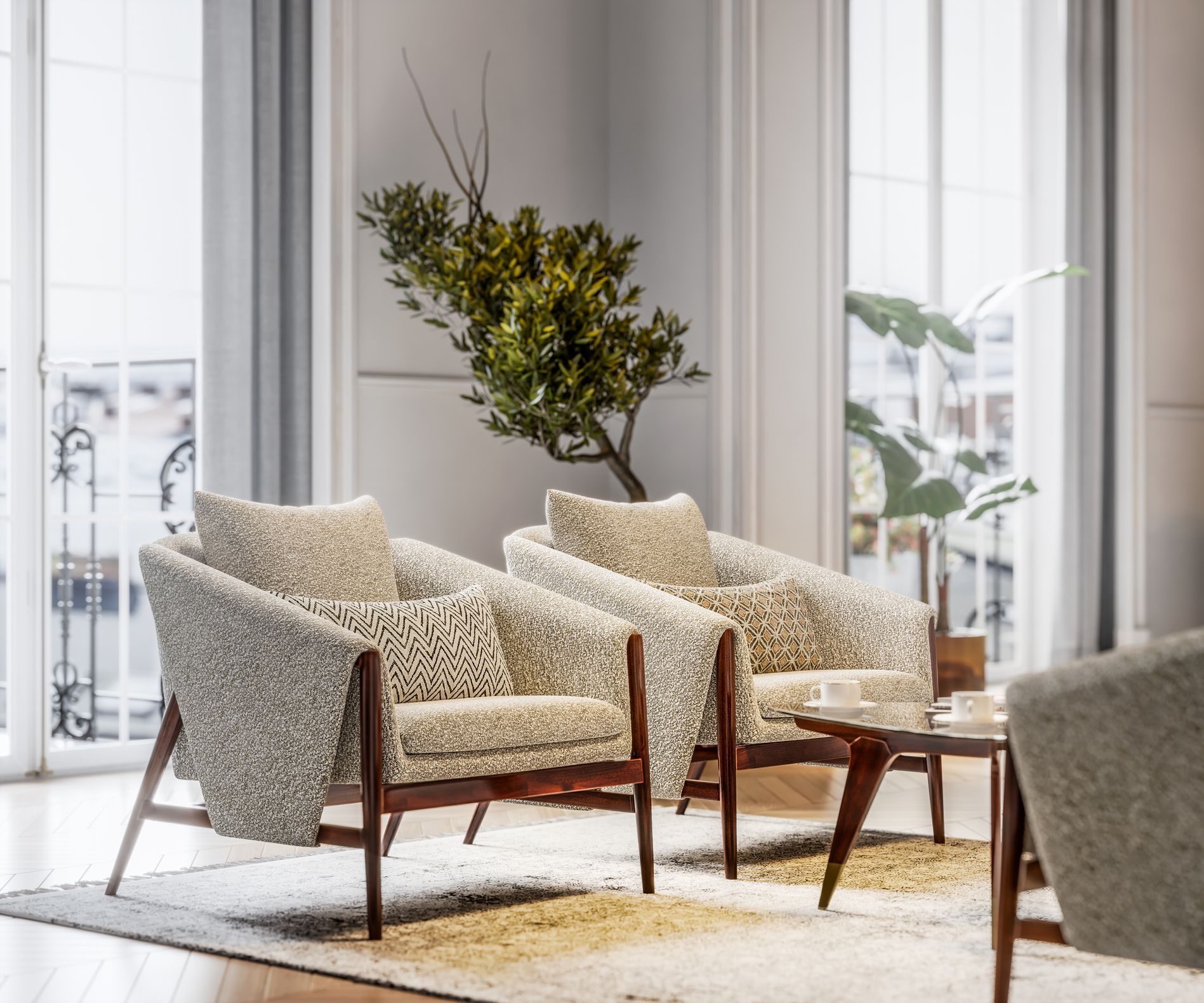
Elegant chairs with custom-design upholstery in modern living room with natural light.
June 20, 2025
Explore 5 benefits of custom-design upholstery in Summit, NJ. Call Maxwell’s at (908) 232-0226 or request a quote online to restore or upgrade your furniture.
By DON MAXWELL January 31, 2025
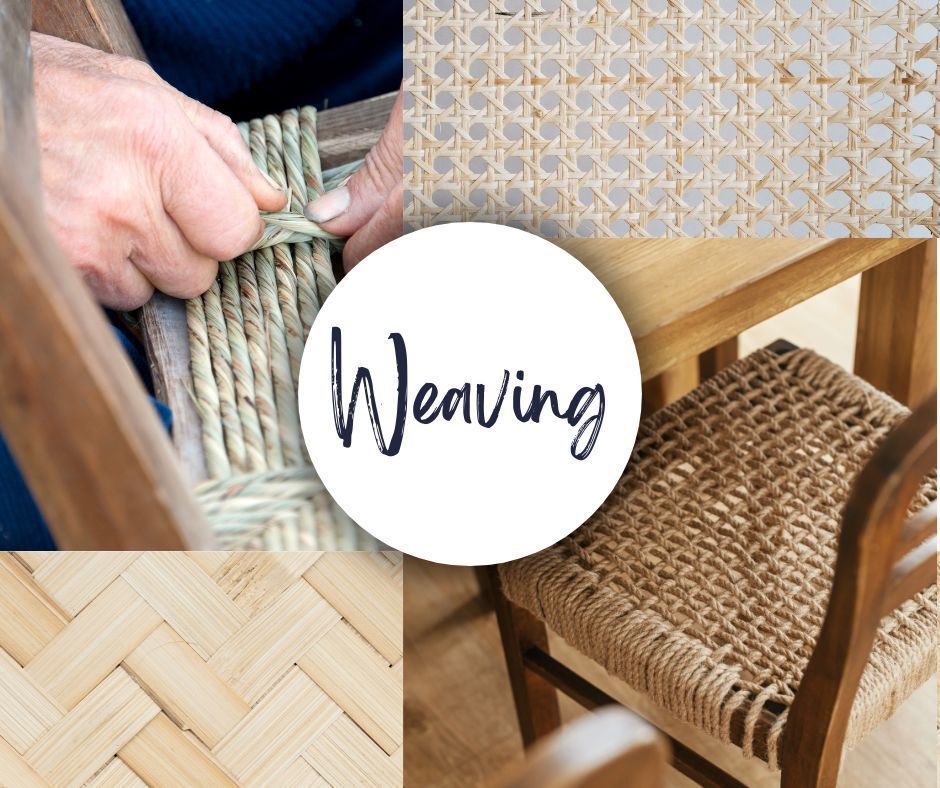
Many people assume that if their chair seat is woven, it's either wicker or cane. But did you know that there are actually several traditional weaving techniques used for chair seats, each with its own distinctive look, feel, and history? These methods have been passed down through generations and each one brings something unique to a chair’s design and durability. Here’s a brief rundown of some of the most popular weaving techniques: Caning Caning is one of the most popular and well-known chair weaving styles. It uses strips of rattan or reed to create a grid-like pattern, often in a honeycomb or diamond design. You'll often find caning on vintage or antique chairs, giving them a timeless look. Did you know that there are two types of caning? Hand caning involves individually weaving each strand by hand, which can be quite time-consuming but yields a beautiful, authentic result. Machine-made caning, on the other hand, offers a quicker and more cost-effective alternative, while still maintaining the classic appearance of the weave. (Stay tuned for a future blog where we’ll dive into the differences between hand and machine caning!) Rush Rush weaving is a traditional technique that uses twisted plant fibers, often from bulrushes or other natural grasses. These fibers are woven over the seat frame, creating a unique criss-cross pattern. It’s typically seen on rustic or country-style chairs, adding a warm, natural texture to the piece. Rush seats are durable, but they require maintenance over time due to their organic material. Danish Cord Danish cord is a popular choice for modern furniture design, particularly in mid-century modern chairs. This technique uses a natural fiber cord, often twisted paper or a synthetic alternative, woven in a clean, minimalist pattern. It’s a great balance of style and functionality, offering both durability and comfort, with a sleek, contemporary aesthetic. Shaker Tape Shaker tape, made of cotton or nylon, is typically used in solid or striped patterns to weave over the chair frame. This style is most often associated with Shaker-style furniture, which emphasizes simplicity and utility. Shaker tape provides a more contemporary look and is also incredibly easy to repair, making it a favorite among those seeking both practicality and style. Oak Splint/Split Weave Oak splint weaving involves using thin, flexible strips of oak wood, which are split and woven into intricate patterns to form a sturdy and natural-looking seat. This technique is commonly seen in early American furniture and provides a robust, timeless aesthetic. Oak splint seats are known for their durability and the natural beauty of the wood. Conclusion Each of these weaving techniques has its own set of qualities that contribute to the chair's aesthetic, comfort, and durability. The choice of weave often depends on the look you want to achieve, the level of maintenance you're prepared for, and the type of seating experience you desire. Whether you're restoring an old chair or looking to add a new piece to your collection, understanding the differences in these weaving techniques can help you make the right choice. Have a chair with a weave that needs repair or replacing? All our services are done on premise.
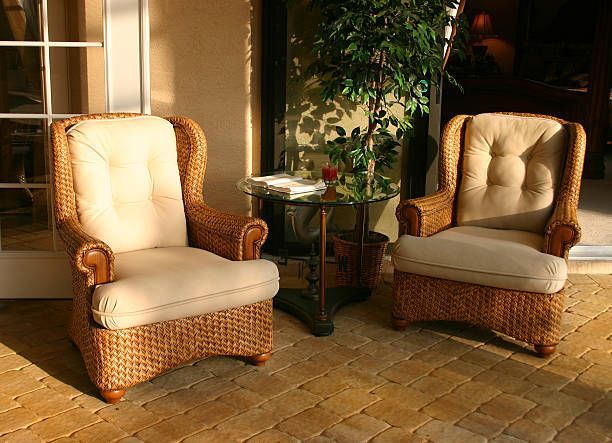
Two outdoor wicker chairs in the late afternoon sunset
By Admin December 23, 2024
Maxwell's Furniture Restoration in Summit, NJ specializes in expert wicker chair weaving and furniture restoration. Restore your vintage pieces today!